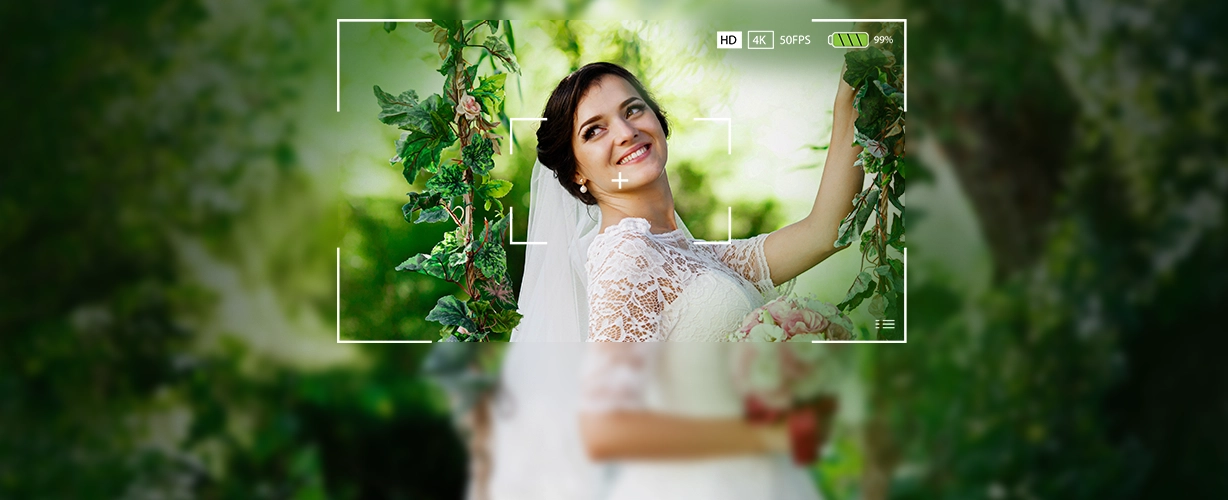
A distinct commercial pressure has always been present in bridal photography. Every studio, agency, and company is aware that bridal images are more than just pictures; they are sentimental assets connected to high-value deliverables, including campaigns, product catalogs, destination wedding packages, albums, and brand identity.
However, consistently achieving perfect results in large quantities continues to be one of the industry’s most challenging operating issues. SmartPHOTOeditors (SPE) assists luxury bridal houses, creative agencies, wedding studios, and hospitality businesses in the United States, the United Kingdom, and other countries create exceptional bridal images that highlight the essence of every moment.
With domain-exclusive experience and a deep production footprint, we understand how missed deadlines, inconsistent finishing, and uncontrolled revision cycles can slow down entire delivery pipelines.
This article curates proven frameworks, visual quality standards, and workflow strategies that help you create perfect bridal images at scale, without compromising style, color accuracy, or client satisfaction.
Why Bridal Imagery Demands Precision at Every Stage
Bridal photography carries non-negotiable expectations. Clients expect:
- True-to-skin color and texture
- Fine detail in gowns, veils, and accessories
- Clean background separation
- Balanced lighting for bridal makeup
- Natural enhancements without artificial over-processing
For B2B buyers such as studio owners, post-production leads, and creative directors, the challenge is not just producing great images once; it is doing it repeatedly, under time pressure, across hundreds or thousands of deliverables.
This is where a structured imaging pipeline, capable talent, and consistent editorial finishing make a measurable commercial difference.
Getting the Foundation Right: Lighting, Angles, and Detail Preservation
A flawless image begins before the shutter clicks. While every photographer has a creative bias, the most successful teams follow a predictable baseline for bridal portraits and detailed captures.
1. Soft Lighting for Skin and Makeup
Soft light maintains the realism of bridal makeup images while preserving nuances such as shimmer, matte finish, or blended contour. Harsh light makes corrections harder later, increases retouching time, and affects album uniformity.
2. Angles that Maintain Gown and Face Proportions
Incorrect shooting angles distort volume in bridal gown images. For teams producing campaigns or catalogue work, maintaining consistent angles across lookbooks is essential for brand uniformity.
3. Detail Shots that Matter
Detail sequences such as rings, lace, and bouquet textures are fundamental. High-resolution bridal bouquet images and bridal flowers images support storytelling, merchandising, and album flow.
The Strategic Role of Retouching in Perfect Bridal Output
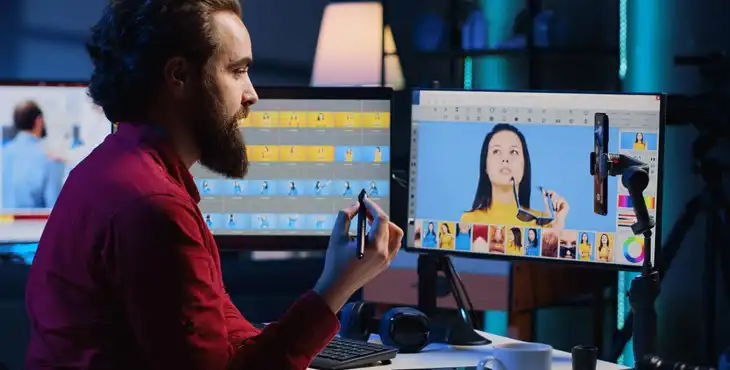
Finishing touches that improve clarity, eliminate distractions, and refine tones are beneficial for even the most controlled scenes. The objective is not artificial perfection; it is refined realism linked with client expectations.
1. Editorial-Level Retouching
This includes tonal balancing, color matching across sets, texture preservation, and sculpting light subtly. Brands and studios increasingly expect professional bridal photo retouching to match editorial consistency.
2. Airbrush Photography Techniques for Smooth and Natural Skin
Many teams still struggle to apply airbrush-style corrections without losing texture. Modern workflows use portrait airbrushing solutions that include subtle feathering, micro-dodge techniques, and clarity controls to create refined outcomes. Teams that understand how to airbrush a photo maintain natural tones while smoothing uneven patches, which is vital for print and album spreads.
3. Enhancing Group and Bridal Party Sequences
Moments captured in bridal party images or broader pictures of bridal parties require flawless lighting and tonal alignment. These sets often contain color variances due to mixed ambient and flash lighting. Consistency across subjects makes a visible difference in the final album.
Managing High-Volume Bridal Workflows Without Quality Loss
Top-tier studios often manage several weddings each week. Agencies and brands manage thousands of catalogue images. Errors multiply quickly without a controlled workflow.
Color-Matched Editing: Using the same color profiles across the team prevents mismatched skin tones and avoids unpredictable results in print. This is especially important in bridal photo editing pipelines.
Structured Layering in Post-Production: Layer organization reduces revision times and helps teams maintain consistency across galleries. This approach supports efficient bridal photo editing in Photoshop and ensures faster corrections during client feedback stages.
Support Through Automation: AI-driven sorting, grading previews, and batch equalization are now part of professional practice. Our detailed insights on AI and automation in professional photo editing help teams adopt these tools without losing creative control.
Storytelling and Visual Identity Through Creative Angles
Effective bridal images depend on perspective and storytelling in addition to technique. Studios and agencies can produce innovative bridal photo concepts while preserving their essential visual character by experimenting with new compositions, perspectives, and frame possibilities.
These creative choices influence the emotional impact of the final narrative, whether curated in albums, campaign visuals, or bridal picture frames designed for print sales. In addition to improving narrative depth, a well-balanced combination of close-ups, wide
shots, and detailed pictures offers clients a variety of options for both personal and business use.
Conclusion
Perfecting bridal images at scale is no longer about managing the camera alone; it requires a complete ecosystem of skilled capture, disciplined editing, controlled workflows, and reliable production support. For businesses that must deliver hundreds or even thousands of assets with consistent quality, the right strategic partner becomes essential.
Our multi-specialist teams, secure delivery infrastructure, worldwide experience, and sophisticated editorial workflows allow studios, agencies, and brands to create high-quality bridal visuals without increasing operational burden. Whether you require airbrush-style enhancements, natural tone refinement, precise high-end beauty retouching, or a full post-production pipeline, SPE offers the accuracy and scalability required by elite experts. Contact Us
FAQs
Which is better for image quality: DSLR or point-and-shoot?
Due to their larger sensors and higher pixel pitch, DSLRs optimize post-production accuracy and tonal purity while offering superior dynamic range, depth precision, and RAW flexibility.
Why are DSLRs more expensive than point-and-shoot cameras?
DSLRs incorporate sophisticated CMOS sensors, mirror assembly, modular lens mounts, and precisely built optics, thereby increasing production costs in line with professional-grade image standards.
Can a point-and-shoot compete with a DSLR in low light?
Not successfully; while DSLRs use larger photodiodes to ensure cleaner, higher-signal shots in low light, smaller sensors create noise levels and limit aperture adjustment.
Is the shutter lag and autofocus slower on a point-and-shoot compared to a DSLR?
Yes, point-and-shoots use contrast-based systems with noticeably higher input-to-capture latency, whereas DSLRs use phase-detection autofocus and high-speed mirror mechanics.
SmartPHOTOeditors
 Prev
Prev